


First Things First: What is Tribulus Terrestris?
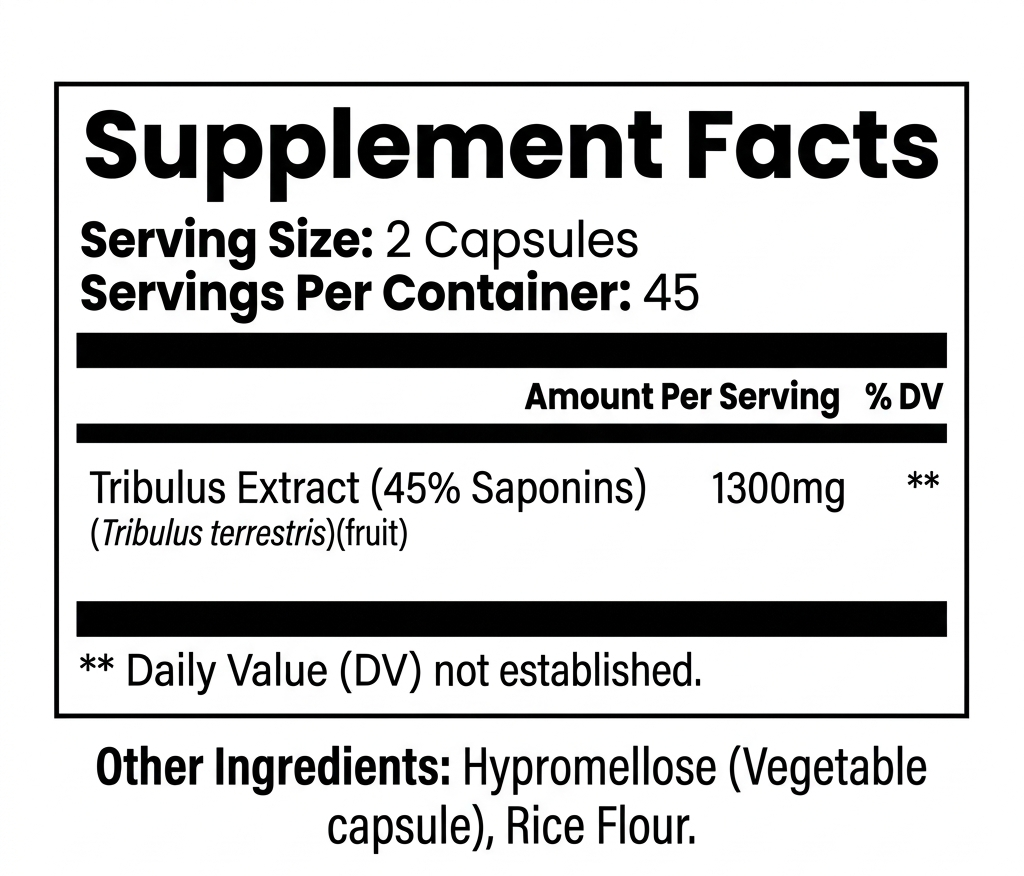
Before we get to the “how,” let’s understand the “what.” Tribulus terrestris is a low-growing plant that thrives in warm climates. Its fruit, leaves, and root have been utilized medicinally. What makes it special are the compounds it contains, specifically steroidal saponins, which are thought to be the main active ingredients including protodioscin, flavonoids known for their antioxidant properties, and alkaloids, which are other plant-based compounds with various physiological effects. Historically, Tribulus was used for everything from supporting urinary tract health to boosting energy. But today, it’s most famous for its potential to support libido and athletic performance. However, its impact on the reproductive side is particularly intriguing.
Unlocking the Reproductive Potential: The Tribulus Mechanism
So, how does a plant potentially impact men’s reproductive health? The theory revolves around a complex interplay of hormones. While early research suggested Tribulus directly increased testosterone levels, the latest science paints a more nuanced and interesting picture.
Tribulus terrestris may help increase the production of nitric oxide. Nitric oxide is a vital molecule that helps relax blood vessels, improving blood flow, which is crucial for erectile function. Another significant potential mechanism involves supporting luteinizing hormone. Luteinizing hormone is produced by the pituitary gland, and in men it signals the testes, specifically the Leydig cells, to produce testosterone. By potentially supporting healthy luteinizing hormone levels, Tribulus may indirectly encourage the body’s natural testosterone production.
It’s crucial to understand that Tribulus doesn’t simply add hormones to the body like synthetic options. Instead, it seems to work more like an adaptogen, helping to optimize the body’s existing hormonal environment. It’s more about support than substitution. Additionally, oxidative stress is a known enemy of sperm health. The flavonoids and saponins in Tribulus may provide antioxidant protection, safeguarding sperm cells from damage.
The Potential Benefits: Translating Science into Results
Enhanced Libido and Sexual Function
This is the benefit most commonly associated with Tribulus, and for good reason. Improved blood flow through nitric oxide support and hormonal balance through luteinizing hormone activity can naturally translate into increased sexual desire, better erectile quality and duration, and improved overall sexual satisfaction.
Support for Healthy Sperm Count and Quality
For couples trying to conceive, sperm health is paramount. Preliminary studies suggest that Tribulus might help increase sperm count, improve sperm motility, and enhance sperm morphology. By protecting sperm from oxidative stress and optimizing the hormonal backdrop, Tribulus can potentially improve the chances of successful fertilization.
Support for Mood and Energy
While not directly a reproductive effect, mood and energy levels are tightly linked to testosterone and overall well-being. By supporting hormonal balance, Tribulus may help reduce fatigue, improve focus and mental clarity, and support a positive mood. A man who feels energized and balanced is naturally in a better state for intimacy and family planning.
